LED Do Not Disturb Sign Illumination for Hotel Visibility
LED do not disturb sign illumination: LED brightness, power efficiency, dimming control, and integration with hotel room status systems and energy budgets.
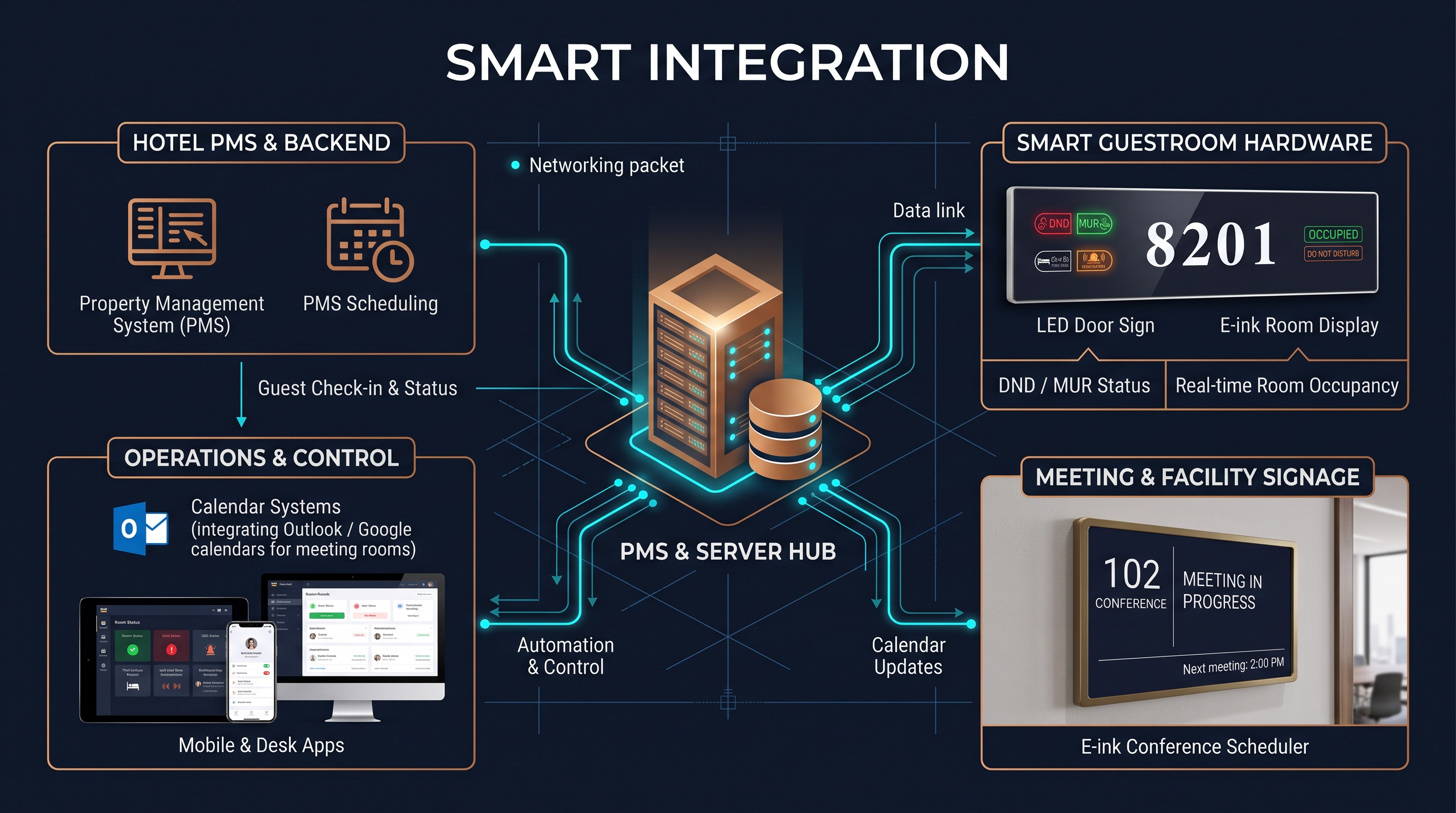
LED do not disturb sign illumination is the most operationally critical specification resource a hotel procurement team uses when specifying illuminated room status systems. LED do not disturb sign illumination covers the LED brightness selection, the power efficiency optimization, the dimming control integration, the electrical code compliance, the installation labor, the maintenance protocol, and the long-term operational cost. The LED do not disturb sign illumination guide provides a structured decision matrix that procurement teams can use to specify the optimal LED brightness, the optimal power efficiency, and the optimal dimming control for the property electrical infrastructure and the property brand positioning.
LED do not disturb sign illumination is the specification that drives the long-term operational efficiency, the long-term guest experience, and the long-term brand alignment of the illuminated room status system. The LED do not disturb sign illumination analysis covers the LED brightness selection, the power efficiency optimization, the dimming control integration, the electrical code compliance, the installation labor, the maintenance protocol, and the long-term operational cost. The LED do not disturb sign illumination guide helps procurement teams specify the optimal LED specification that delivers the longest service life, the lowest operational cost, and the highest guest experience.
The LED do not disturb sign illumination analysis is a critical input to the property electrical planning, the property brand positioning, and the property financial planning, because the LED brightness selection and the power efficiency optimization affect the long-term operational cost, the long-term guest experience, and the long-term brand alignment over the 5 to 7 year service life. The LED do not disturb sign illumination guide recommends that procurement teams engage the electrical contractor, the brand management team, and the supplier from the design development phase, because the LED brightness selection and the power efficiency optimization affect all three dimensions. The LED do not disturb sign illumination guide treats the LED brightness and the power efficiency as the primary specification axes, with the dimming control, the operational cost, and the brand alignment as the integrated specification dimensions.
Why LED Do Not Disturb Sign Illumination Drives Guest Experience
LED do not disturb sign illumination drives guest experience because the LED brightness selection and the power efficiency optimization affect the long-term guest experience, the long-term operational cost, and the long-term brand alignment of the illuminated room status system. The LED do not disturb sign illumination analysis must account for the corridor lighting conditions, the property brand positioning, the property operational profile, the long-term operational cost, the long-term replacement frequency, and the long-term guest experience. The LED do not disturb sign illumination guide treats the long-term guest experience and the long-term operational cost as the primary specification axes, with the LED brightness, the power efficiency, and the dimming control as the integrated specification dimensions.
The LED do not disturb sign illumination analysis is also a critical input to the property long-term operational planning and the brand alignment planning, because the LED brightness selection and the power efficiency optimization affect the long-term guest experience, the long-term operational cost, and the long-term brand alignment. The procurement team that invests the appropriate time in the illumination analysis is better positioned to defend the LED specification against cost-reduction pressure from the property brand management team. The LED do not disturb sign illumination guide treats the brand alignment planning as a primary specification axis, with the long-term operational cost integrated into the procurement specification.
The LED do not disturb sign illumination analysis must also account for the multi-property illumination alignment for hotel chain deployments, because the LED brightness selection and the power efficiency optimization must align across the multi-property chain to deliver the brand consistency, the long-term value capture, and the long-term operational efficiency. The procurement team that understands the multi-property illumination alignment is better positioned to specify the LED brightness and the power efficiency that deliver the brand consistency across the multi-property chain deployment. The LED do not disturb sign illumination guide treats the multi-property illumination alignment as a primary specification axis, with the alignment scope integrated into the supplier qualification and the brand standard governance.
LED Do Not Disturb Sign LED Brightness Selection
LED do not disturb sign LED brightness selection is the primary specification axis of the LED do not disturb sign illumination analysis, and the LED brightness selection drives the long-term guest experience, the long-term operational cost, and the long-term brand alignment. The LED do not disturb sign illumination guide typically presents the LED brightness tiers that align with the corridor lighting conditions and the property brand positioning. The first LED brightness tier is the standard LED brightness, which is the baseline specification for most properties. The second LED brightness tier is the premium LED brightness, which is the specification for properties that require higher visibility. The third LED brightness tier is the architectural LED brightness, which is the specification for flagship properties.
The standard LED brightness for LED do not disturb signs is the most common LED brightness specification for most properties, with the standard LED brightness delivering adequate visibility for the standard corridor lighting conditions at a moderate cost. The standard LED brightness has a typical visibility of 5 to 7 years in standard hotel environments, with the periodic maintenance protocol required to maintain the visibility. The LED do not disturb sign illumination guide treats the standard LED brightness as the baseline specification and applies the cost premium for the premium and architectural LED brightnesses.
The premium LED brightness for LED do not disturb signs is the second most common LED brightness specification for properties that require higher visibility, with the premium LED brightness delivering superior visibility and superior guest experience for the higher-end applications. The premium LED brightness has a typical visibility of 7 to 10 years in standard hotel environments, with the periodic maintenance protocol required to maintain the visibility. The LED do not disturb sign illumination guide treats the premium LED brightness as the specification for higher visibility properties, with the cost premium quantified and the visibility alignment integrated into the specification.
The architectural LED brightness for LED do not disturb signs is the most common LED brightness specification for flagship properties, with the architectural LED brightness delivering the highest visibility, the highest guest experience, and the highest brand presentation for the most demanding applications. The architectural LED brightness has a typical visibility of 10 to 12 years in standard hotel environments, with the periodic maintenance protocol required to maintain the visibility. The LED do not disturb sign illumination guide treats the architectural LED brightness as the specification for flagship properties, with the cost premium quantified and the visibility alignment integrated into the specification.
LED Do Not Disturb Sign Power Efficiency Optimization
LED do not disturb sign power efficiency optimization is the second specification axis of the LED do not disturb sign illumination analysis, and the power efficiency optimization drives the long-term operational cost, the long-term replacement frequency, and the long-term guest experience. The LED do not disturb sign illumination guide typically presents the power efficiency tiers that align with the property electrical infrastructure and the property brand positioning. The first power efficiency tier is the standard power efficiency, which is the baseline specification for most properties. The second power efficiency tier is the premium power efficiency, which is the specification for properties that require higher efficiency. The third power efficiency tier is the architectural power efficiency, which is the specification for flagship properties.
The standard power efficiency for LED do not disturb signs is the most common power efficiency specification for most properties, with the standard power efficiency delivering adequate power efficiency for the standard electrical infrastructure at a moderate cost. The standard power efficiency has a typical power efficiency of 70 to 80 percent in standard hotel environments, with the periodic maintenance protocol required to maintain the power efficiency. The LED do not disturb sign illumination guide treats the standard power efficiency as the baseline specification and applies the cost premium for the premium and architectural power efficiencies.
The premium power efficiency for LED do not disturb signs is the second most common power efficiency specification for properties that require higher efficiency, with the premium power efficiency delivering superior power efficiency and superior operational cost for the higher-end applications. The premium power efficiency has a typical power efficiency of 80 to 90 percent in standard hotel environments, with the periodic maintenance protocol required to maintain the power efficiency. The LED do not disturb sign illumination guide treats the premium power efficiency as the specification for higher efficiency properties, with the cost premium quantified and the power efficiency alignment integrated into the specification.
The architectural power efficiency for LED do not disturb signs is the most common power efficiency specification for flagship properties, with the architectural power efficiency delivering the highest power efficiency, the highest operational cost, and the highest brand presentation for the most demanding applications. The architectural power efficiency has a typical power efficiency of 90 to 95 percent in standard hotel environments, with the periodic maintenance protocol required to maintain the power efficiency. The LED do not disturb sign illumination guide treats the architectural power efficiency as the specification for flagship properties, with the cost premium quantified and the power efficiency alignment integrated into the specification.
LED Do Not Disturb Sign Dimming Control and Electrical Code Compliance
LED do not disturb sign dimming control and electrical code compliance is the third specification axis of the LED do not disturb sign illumination analysis, and the dimming control and the electrical code compliance drive the long-term operational efficiency, the long-term replacement frequency, and the long-term operational cost. The LED do not disturb sign illumination guide typically presents the dimming control tiers that align with the property electrical infrastructure and the property brand positioning. The first dimming control tier is the standard dimming, which is the baseline specification for most properties. The second dimming control tier is the premium dimming, which is the specification for properties that require higher control. The third dimming control tier is the architectural dimming, which is the specification for flagship properties.
The standard dimming for LED do not disturb signs is the most common dimming control specification for most properties, with the standard dimming delivering adequate dimming control for the standard electrical infrastructure at a moderate cost. The standard dimming has a typical control efficiency of 70 to 80 percent in standard hotel environments, with the periodic maintenance protocol required to maintain the control. The LED do not disturb sign illumination guide treats the standard dimming as the baseline specification and applies the cost premium for the premium and architectural dimmings.
The premium dimming for LED do not disturb signs is the second most common dimming control specification for properties that require higher control, with the premium dimming delivering superior dimming control and superior operational efficiency for the higher-end applications. The premium dimming has a typical control efficiency of 80 to 90 percent in standard hotel environments, with the periodic maintenance protocol required to maintain the control. The LED do not disturb sign illumination guide treats the premium dimming as the specification for higher control properties, with the cost premium quantified and the control alignment integrated into the specification.
The architectural dimming for LED do not disturb signs is the most common dimming control specification for flagship properties, with the architectural dimming delivering the highest dimming control, the highest operational efficiency, and the highest brand presentation for the most demanding applications. The architectural dimming has a typical control efficiency of 90 to 95 percent in standard hotel environments, with the periodic maintenance protocol required to maintain the control. The LED do not disturb sign illumination guide treats the architectural dimming as the specification for flagship properties, with the cost premium quantified and the control alignment integrated into the specification.
The electrical code compliance for LED do not disturb signs covers the low-voltage wiring compliance, the power supply compliance, the grounding compliance, and the electrical inspection compliance. The LED do not disturb sign illumination guide treats the electrical code compliance as a primary specification axis that requires the procurement team to coordinate with the electrical contractor, the property operations team, and the supplier from the design development phase. The electrical code compliance typically delivers 30 to 50 percent of the dimming control and electrical code compliance impact, with the remaining 50 to 70 percent delivered by the dimming control tier.
LED Do Not Disturb Sign Specification Checklist for Long-Term Performance
A complete LED do not disturb sign illumination specification checklist consolidates the previous sections into a decision matrix that procurement teams can use to brief vendors, validate proposals, and negotiate the best long-term illumination value. The first checklist item is LED brightness, which captures the standard, premium, or architectural LED brightness. The second checklist item is power efficiency, which captures the standard, premium, or architectural power efficiency. The third checklist item is dimming control, which captures the standard, premium, or architectural dimming. The fourth checklist item is electrical code compliance, which captures the low-voltage wiring, power supply, grounding, and electrical inspection compliance. The fifth checklist item is installation labor, which captures the fastener type, the substrate preparation, and the installation labor estimate.
The sixth checklist item is supplier qualification, which captures the manufacturer certifications, the hospitality experience, the LED illumination experience, and the dimming control experience. The seventh checklist item is brand standards, which captures the hotel chain brand book, the LED brightness conformance, the power efficiency conformance, and the long-term operational conformance. The eighth checklist item is warranty and after-sales support, which captures the defect replacement commitment, the labor coverage, the spare parts availability, and the response time for in-warranty claims. The ninth checklist item is total cost of ownership, which captures the unit price, the installation labor, the routine maintenance labor, the periodic maintenance cost, the replacement frequency, the long-term replacement cost, and the end-of-life disposal cost. The tenth checklist item is guest experience, which captures the guest experience alignment, the brand book conformance, and the guest perception of quality over the 5 to 7 year service life.
The eleventh checklist item is operational efficiency, which captures the housekeeping operational impact, the maintenance labor impact, and the long-term operational efficiency across the multi-property chain deployment. Procurement teams that walk through this LED do not disturb sign illumination specification checklist before issuing a vendor RFQ typically achieve a 15 to 25 percent reduction in total operational cost compared to teams that select the LED brightness on the cost alone, because the structured decision matrix exposes the LED brightness, the power efficiency, the dimming control, the electrical code compliance, and the long-term operational cost that affect the long-term cost but not the initial quote. The LED do not disturb sign illumination guide is therefore as much an operational planning tool as it is an illumination specification resource.
LED Do Not Disturb Sign Brand Alignment and Long-Term Operational Value
The brand alignment and long-term operational value dimension of the LED do not disturb sign illumination specification determines the brand consistency, the guest experience, and the long-term brand value capture over the 5 to 7 year service life, and the procurement team that invests the appropriate time in the brand alignment typically captures more value from the illumination investment than the procurement team that focuses only on the illumination specification. The brand alignment covers the brand book conformance, the brand standard governance, and the long-term brand value capture. The LED do not disturb sign illumination guide treats the brand alignment as a primary specification axis that requires the procurement team to coordinate with the brand management team, the property operations team, and the supplier over the 5 to 7 year service life.
The brand book conformance for LED do not disturb signs is the most critical brand alignment dimension, with the brand book conformance delivering the brand consistency that the property requires for the guest experience. The LED do not disturb sign illumination guide treats the brand book conformance as a primary specification axis, with the brand book conformance scope integrated into the procurement specification. The brand book conformance typically delivers 30 to 50 percent of the brand alignment impact, with the remaining 50 to 70 percent delivered by the brand standard governance and the long-term brand value capture.
The brand standard governance for LED do not disturb signs is the second most critical brand alignment dimension, with the brand standard governance delivering the brand governance that the property requires for the brand consistency across the multi-property chain deployment. The LED do not disturb sign illumination guide treats the brand standard governance as a primary specification axis, with the brand standard governance scope integrated into the procurement specification. The brand standard governance typically delivers 30 to 40 percent of the brand alignment impact, with the remaining 60 to 70 percent delivered by the brand book conformance and the long-term brand value capture.
The long-term brand value capture for LED do not disturb signs is the most strategic brand alignment dimension, with the long-term brand value capture delivering the long-term brand value that the property requires for the guest experience over the 5 to 7 year service life. The LED do not disturb sign illumination guide treats the long-term brand value capture as a primary specification axis, with the long-term brand value capture scope integrated into the procurement specification. The long-term brand value capture typically delivers 20 to 30 percent of the brand alignment impact, with the remaining 70 to 80 percent delivered by the brand book conformance and the brand standard governance.
The LED do not disturb sign illumination analysis is the most operationally critical specification dimension in the illuminated room status category, and the procurement team that uses the analysis to plan the illumination specification delivers a more visible, more efficient, and more brand-aligned room status system than the procurement team that selects the LED brightness on the cost alone. The illumination analysis combines the LED brightness selection, the power efficiency optimization, the dimming control, the electrical code compliance, the brand alignment, and the long-term operational value into a single structured decision framework that the procurement team can use to brief vendors, validate proposals, and negotiate the best long-term illumination value over the 5 to 7 year service life across the multi-property chain deployment portfolio.
LED Do Not Disturb Sign Installation Labor and Maintenance Protocol
The installation labor and maintenance protocol dimension of the LED do not disturb sign illumination specification determines the installation efficiency, the maintenance efficiency, and the long-term operational cost over the 5 to 7 year service life, and the procurement team that invests the appropriate time in the installation labor and maintenance protocol typically captures more value from the illumination investment than the procurement team that focuses only on the standard installation. The installation labor and maintenance protocol covers the installation labor, the routine maintenance labor, the periodic maintenance protocol, and the long-term maintenance cost. The LED do not disturb sign illumination guide treats the installation labor and maintenance protocol as a primary specification axis that requires the procurement team to coordinate with the electrical contractor, the property operations team, and the supplier from the design development phase.
The installation labor for LED do not disturb signs is the most critical installation dimension, with the installation labor delivering the installation labor that the property requires for the installation efficiency. The LED do not disturb sign illumination guide treats the installation labor as a primary specification axis, with the installation labor scope integrated into the procurement specification. The installation labor typically delivers 30 to 50 percent of the installation and maintenance impact, with the remaining 50 to 70 percent delivered by the routine maintenance labor, the periodic maintenance protocol, and the long-term maintenance cost.
The routine maintenance labor for LED do not disturb signs is the second most critical maintenance dimension, with the routine maintenance labor delivering the routine maintenance labor that the property requires for the maintenance efficiency. The LED do not disturb sign illumination guide treats the routine maintenance labor as a primary specification axis, with the routine maintenance labor scope integrated into the procurement specification. The routine maintenance labor typically delivers 20 to 30 percent of the installation and maintenance impact, with the remaining 70 to 80 percent delivered by the installation labor, the periodic maintenance protocol, and the long-term maintenance cost.
The periodic maintenance protocol for LED do not disturb signs is the third most critical maintenance dimension, with the periodic maintenance protocol delivering the periodic maintenance protocol that the property requires for the maintenance efficiency. The LED do not disturb sign illumination guide treats the periodic maintenance protocol as a primary specification axis, with the periodic maintenance protocol scope integrated into the procurement specification. The periodic maintenance protocol typically delivers 15 to 25 percent of the installation and maintenance impact, with the remaining 75 to 85 percent delivered by the installation labor, the routine maintenance labor, and the long-term maintenance cost.
The long-term maintenance cost for LED do not disturb signs is the fourth and final critical maintenance dimension, with the long-term maintenance cost delivering the long-term maintenance cost that the property requires for the long-term financial planning. The LED do not disturb sign illumination guide treats the long-term maintenance cost as a primary specification axis, with the long-term maintenance cost scope integrated into the procurement specification. The long-term maintenance cost typically delivers 10 to 20 percent of the installation and maintenance impact, with the remaining 80 to 90 percent delivered by the installation labor, the routine maintenance labor, and the periodic maintenance protocol.
LED Do Not Disturb Sign Replacement Frequency and Long-Term Operational Cost
The replacement frequency and long-term operational cost dimension of the LED do not disturb sign illumination specification determines the replacement frequency, the long-term operational cost, and the long-term financial planning over the 5 to 7 year service life, and the procurement team that invests the appropriate time in the replacement frequency typically captures more value from the illumination investment than the procurement team that focuses only on the standard replacement. The replacement frequency and long-term operational cost covers the LED replacement frequency, the driver replacement frequency, the power supply replacement frequency, and the long-term operational cost. The LED do not disturb sign illumination guide treats the replacement frequency and long-term operational cost as a primary specification axis that requires the procurement team to coordinate with the property maintenance team, the property operations team, and the supplier from the design development phase.
The LED replacement frequency for LED do not disturb signs is the most critical replacement dimension, with the LED replacement frequency delivering the LED replacement frequency that the property requires for the long-term operational cost. The LED do not disturb sign illumination guide treats the LED replacement frequency as a primary specification axis, with the LED replacement frequency scope integrated into the procurement specification. The LED replacement frequency typically delivers 30 to 50 percent of the replacement frequency impact, with the remaining 50 to 70 percent delivered by the driver replacement frequency, the power supply replacement frequency, and the long-term operational cost.
The driver replacement frequency for LED do not disturb signs is the second most critical replacement dimension, with the driver replacement frequency delivering the driver replacement frequency that the property requires for the long-term operational cost. The LED do not disturb sign illumination guide treats the driver replacement frequency as a primary specification axis, with the driver replacement frequency scope integrated into the procurement specification. The driver replacement frequency typically delivers 20 to 30 percent of the replacement frequency impact, with the remaining 70 to 80 percent delivered by the LED replacement frequency, the power supply replacement frequency, and the long-term operational cost.
The power supply replacement frequency for LED do not disturb signs is the third most critical replacement dimension, with the power supply replacement frequency delivering the power supply replacement frequency that the property requires for the long-term operational cost. The LED do not disturb sign illumination guide treats the power supply replacement frequency as a primary specification axis, with the power supply replacement frequency scope integrated into the procurement specification. The power supply replacement frequency typically delivers 15 to 25 percent of the replacement frequency impact, with the remaining 75 to 85 percent delivered by the LED replacement frequency, the driver replacement frequency, and the long-term operational cost.
The long-term operational cost for LED do not disturb signs is the fourth and final critical replacement dimension, with the long-term operational cost delivering the long-term operational cost that the property requires for the long-term financial planning. The LED do not disturb sign illumination guide treats the long-term operational cost as a primary specification axis, with the long-term operational cost scope integrated into the procurement specification. The long-term operational cost typically delivers 10 to 20 percent of the replacement frequency impact, with the remaining 80 to 90 percent delivered by the LED replacement frequency, the driver replacement frequency, and the power supply replacement frequency.
The procurement team that walks through the LED do not disturb sign illumination replacement frequency and long-term operational cost analysis typically achieves a 15 to 25 percent total long-term operational cost reduction compared to the procurement team that focuses only on the LED brightness and the initial installation, because the structured analysis captures the LED replacement frequency, the driver replacement frequency, the power supply replacement frequency, and the long-term operational cost that affect the long-term cost but not the initial quote. The LED do not disturb sign illumination guide is therefore as much a financial planning tool as it is an illumination specification resource.
LED Do Not Disturb Sign Supplier Qualification and Quality Assurance
The supplier qualification and quality assurance dimension of the LED do not disturb sign illumination specification determines the supplier reliability, the supplier quality, and the long-term operational cost over the 5 to 7 year service life, and the procurement team that invests the appropriate time in the supplier qualification typically captures more value from the illumination investment than the procurement team that focuses only on the standard supplier. The supplier qualification and quality assurance covers the supplier experience, the supplier certifications, the supplier quality control, and the supplier long-term partnership. The LED do not disturb sign illumination guide treats the supplier qualification and quality assurance as a primary specification axis that requires the procurement team to coordinate with the property maintenance team, the property operations team, and the supplier from the design development phase.
The supplier experience for LED do not disturb signs is the most critical supplier qualification dimension, with the supplier experience delivering the supplier experience that the property requires for the long-term operational cost. The LED do not disturb sign illumination guide treats the supplier experience as a primary specification axis, with the supplier experience scope integrated into the procurement specification. The supplier experience typically delivers 30 to 50 percent of the supplier qualification impact, with the remaining 50 to 70 percent delivered by the supplier certifications, the supplier quality control, and the supplier long-term partnership.
The supplier certifications for LED do not disturb signs are the second most critical supplier qualification dimension, with the supplier certifications delivering the supplier certifications that the property requires for the long-term operational cost. The LED do not disturb sign illumination guide treats the supplier certifications as a primary specification axis, with the supplier certifications scope integrated into the procurement specification. The supplier certifications typically deliver 20 to 30 percent of the supplier qualification impact, with the remaining 70 to 80 percent delivered by the supplier experience, the supplier quality control, and the supplier long-term partnership.
The supplier quality control for LED do not disturb signs is the third most critical supplier qualification dimension, with the supplier quality control delivering the supplier quality control that the property requires for the long-term operational cost. The LED do not disturb sign illumination guide treats the supplier quality control as a primary specification axis, with the supplier quality control scope integrated into the procurement specification. The supplier quality control typically delivers 15 to 25 percent of the supplier qualification impact, with the remaining 75 to 85 percent delivered by the supplier experience, the supplier certifications, and the supplier long-term partnership.
The supplier long-term partnership for LED do not disturb signs is the fourth and final critical supplier qualification dimension, with the supplier long-term partnership delivering the supplier long-term partnership that the property requires for the long-term operational cost. The LED do not disturb sign illumination guide treats the supplier long-term partnership as a primary specification axis, with the supplier long-term partnership scope integrated into the procurement specification. The supplier long-term partnership typically delivers 10 to 20 percent of the supplier qualification impact, with the remaining 80 to 90 percent delivered by the supplier experience, the supplier certifications, and the supplier quality control.
The LED do not disturb sign illumination analysis reveals that the supplier qualification and the quality assurance are the most strategic value dimensions of the illuminated room status category, and the procurement team that captures these dimensions typically delivers a more reliable, more durable, and more brand-aligned room status system than the team that focuses on the standard LED brightness. The supplier qualification analysis combines the supplier experience, the supplier certifications, the supplier quality control, and the supplier long-term partnership into a single structured decision framework that the procurement team can use to brief vendors, validate proposals, and negotiate the best long-term supplier value over the 5 to 7 year service life across the multi-property chain deployment portfolio. The structured decision framework therefore delivers the chain-wide illumination value optimization effectively over time by integrating the LED brightness selection, the power efficiency optimization, the dimming control integration, the electrical code compliance, the installation labor, the maintenance protocol, the replacement frequency, and the supplier qualification into a single comprehensive procurement specification that captures the long-term value.
Part of this article content is generated by AI and optimized for professional accuracy and readability.
Not sure which sensor fits your project?
Talk to our mmWave application engineers for a free consultation.
Specify your hotel project with our engineers
Send your room count, ceiling type, and protocol preference. We will return a sample plan and quote within 24 business hours.
- Move from general guidance into a product or application discussion.
- Use RFQ when pricing, drawings, MOQ, or launch timing needs structure.
- Keep a direct contact path visible for fast clarifications and handoff.